
Electricity is one of the most essential systems in any home, yet it’s also one of the least understood by homeowners. From powering daily routines to running major appliances, electrical systems work silently in the background until something goes wrong. When issues arise, they often disrupt comfort, safety, and functionality, leaving homeowners confused about the cause. Understanding common electrical problems and why they happen helps clarify what’s going on behind the walls and why professional attention is often required.
Many residential electrical problems develop gradually due to aging systems, increased power demands, or hidden wiring issues. Others appear suddenly because of component failure or environmental factors. While some problems may seem minor at first, they often indicate deeper issues within the electrical infrastructure. This article explores the most common electrical problems homeowners face and explains the underlying reasons they occur.
Frequent Circuit Breaker Tripping
One of the most common electrical issues in homes is frequent circuit breaker tripping. Circuit breakers are designed to protect electrical circuits by cutting power when they detect overloads or faults. When a breaker trips repeatedly, it usually means the circuit is drawing more electricity than it can safely handle.
This situation often occurs in older homes where electrical panels were not designed to support modern power usage. Today’s homes rely on high-demand appliances, electronics, and multiple devices operating simultaneously. As electrical loads increase over time, circuits become strained, leading to repeated interruptions. In some cases, worn breakers or deteriorated wiring can also contribute to this issue. When breaker tripping becomes routine rather than occasional, it signals an imbalance between electrical demand and system capacity that should not be ignored. Consulting professionals like Great North Electrician can help identify whether the issue stems from load imbalance, aging components, or panel limitations.
Flickering or Dimming Lights
Flickering or dimming lights are another widespread electrical concern that homeowners encounter. This problem often becomes noticeable when large appliances start up or shut down, causing a temporary dip in voltage. While occasional flickering may seem harmless, consistent or widespread occurrences often point to deeper electrical inconsistencies.
The underlying cause is usually related to voltage fluctuations within the electrical system. Loose connections, overloaded circuits, or aging wiring can interrupt the steady flow of electricity, resulting in visible changes in lighting. In some cases, the issue may originate from the electrical panel itself, where insufficient capacity or worn components struggle to distribute power evenly. Over time, these fluctuations can place stress on light fixtures and connected devices, reducing their lifespan and reliability.
Non-Functioning or Dead Outlets
Dead outlets are a frustrating and common electrical issue in residential properties. An outlet that suddenly stops working can disrupt daily routines and raise concerns about electrical safety. In many cases, the problem is localized to a single outlet, but it can also affect multiple outlets within the same circuit.
Several factors can cause outlets to fail. Internal wiring connections can loosen over time due to vibration, thermal expansion, or general wear. In other situations, a tripped breaker or blown fuse may cut power to the outlet. Ground fault circuit interrupter (GFCI) outlets, commonly found in kitchens and bathrooms, may trip internally without obvious signs. When outlets repeatedly lose power or fail altogether, it suggests underlying wiring or circuit issues that require professional evaluation to prevent further complications.
Warm Outlets and Switch Plates
Outlets or switch plates that feel warm to the touch are often overlooked, yet they represent a serious electrical concern. Electrical components should remain cool during normal operation. When heat is noticeable, it typically indicates resistance within the circuit, which generates excess warmth as electricity struggles to flow smoothly.
This resistance often results from loose connections, damaged wiring, or outdated components not designed for current electrical demands. Over time, the heat buildup can damage insulation and surrounding materials, increasing the risk of electrical fires. Warm outlets are rarely an isolated issue and usually reflect broader system stress. Identifying the root cause early can prevent long-term damage and enhance overall electrical safety.
Burning Smells or Discolored Fixtures
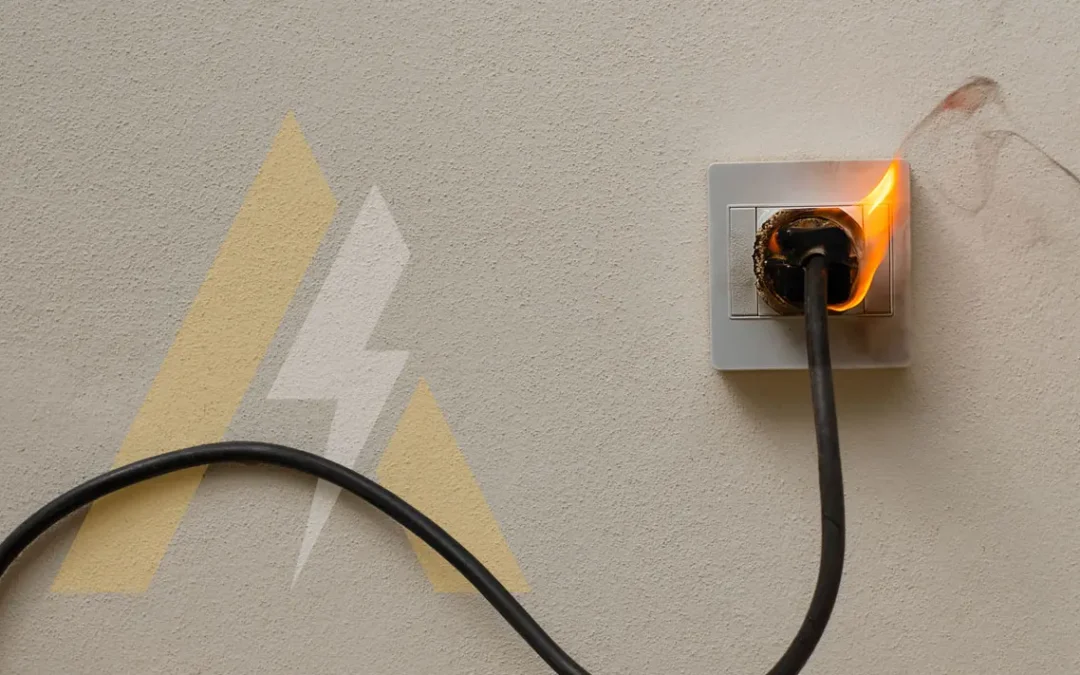
A burning smell coming from outlets, switches, or light fixtures is one of the most alarming electrical problems homeowners face. This odor often indicates overheating wires, melting insulation, or arcing within the electrical system. Discoloration around outlets or switches — such as browning or scorch marks — further confirms excessive heat exposure.
These conditions typically develop due to overloaded circuits, loose connections, or deteriorated wiring materials. Older homes with aging electrical systems are particularly vulnerable to this problem. As wiring insulation breaks down over time, it becomes more susceptible to heat and friction. Ignoring these warning signs can lead to significant safety hazards, making immediate professional assessment essential.
Electrical Shocks and Tingling Sensations
Experiencing mild electrical shocks or tingling sensations when touching appliances, outlets, or switches is another common issue that signals improper grounding or faulty wiring. Electricity is designed to follow a controlled path, and grounding ensures excess current is safely diverted away from users.
When grounding systems are incomplete, damaged, or outdated, electricity may seek unintended paths, resulting in shocks. This issue can also arise from reversed polarity in outlets or damaged appliance cords. While shocks may feel minor initially, they indicate unsafe conditions within the electrical system. Over time, these faults can escalate, posing serious risks to occupants and equipment.
High Electricity Bills Without Increased Usage
Unexpectedly high electricity bills often leave homeowners puzzled, especially when usage habits haven’t changed. While external factors like rate increases can contribute, hidden electrical issues within the home frequently play a role. Faulty wiring, aging appliances, or inefficient electrical distribution can cause excessive energy consumption without obvious signs.
Electrical systems that struggle to deliver power efficiently may draw more electricity to compensate for resistance and losses. This inefficiency not only increases utility costs but also accelerates wear on electrical components. When unexplained spikes in energy bills persist, it often points to underlying electrical inefficiencies that require professional inspection.
Outdated Electrical Panels and Wiring
One of the root causes behind many electrical problems is outdated electrical infrastructure. Homes built decades ago were designed for far fewer electrical demands than modern households require today. Older panels, limited circuit capacity, and aging wiring materials struggle to keep up with contemporary usage.
Outdated systems are more prone to breaker trips, voltage fluctuations, and overheating. Additionally, they often lack modern safety features found in newer electrical installations. As electrical demands continue to grow with smart technology, electric vehicles, and high-powered appliances, older systems become increasingly stressed. Homeowners facing recurring electrical issues often find that outdated panels and wiring are at the core of the problem, making professional evaluation essential when deciding to hire Electrician services for long-term system reliability.
Conclusion
Common electrical problems in homes rarely occur without reason. Frequent breaker trips, flickering lights, dead outlets, overheating components, and unexpected energy costs are all symptoms of deeper electrical issues developing within a home’s system. These problems often stem from aging infrastructure, increased electrical demand, or worn components struggling to perform beyond their intended capacity.
Understanding why these issues happen helps homeowners recognize the importance of professional electrical evaluation. Addressing electrical problems at their source not only restores functionality but also ensures safety and long-term system performance. A well-maintained electrical system remains one of the most critical foundations of a safe and reliable home.